
Summary Block:
- Your dog’s ideal activity level depends on factors such as breed, age, health, and individual energy level.
- Walks, fetch, swimming, hiking, training, scent games, and interactive toys are all great ways to give your pup enrichment.
- When work or other responsibilities limit your time, professional dog daycare provides another way to add structured activity to your dog’s routine.
An active dog needs more than a quick walk around the block each day. High-energy dogs often thrive when their routines combine movement, training, play, and opportunities to use their natural instincts.
That balance matters for busy dog owners in Springfield and throughout Northern Virginia. The right routine depends on your individual dog, but there are plenty of ways to make each day more engaging. Below, we cover practical exercise ideas, mental stimulation techniques, and ways to add professional support to your routine.
What Makes a Dog “Active” — and How Much Exercise Does Yours Need?
Having an active dog can mean a lot of things. Breed traits play a role, but age, health, temperament, and lifestyle also affect how much activity an individual pup needs. Adjust your pup’s routine based on factors like age and breed rather than using a one-size-fits-all approach.
Puppies, for example, benefit from shorter periods of play and exercise rather than strenuous, extended workouts. Senior dogs still benefit from regular movement, but their routines may require gentler activities. Your veterinarian can provide guidance based on your dog’s health and age.
Which Breeds Need the Most Activity
Many active dog breeds come from working, herding, and sporting backgrounds. Their original jobs often required endurance, focus, or both.
Some of the most high energy breeds include:
- Border Collie: Bred to herd livestock, Border Collies typically need significant physical activity along with opportunities to work their minds.
- Belgian Malinois: This working breed needs plenty of physical exercise and mental stimulation and often excels with structured activities.
- Siberian Husky: Developed for sled work, Huskies are athletic dogs known for their endurance and desire to run.
- Australian Shepherd: These intelligent herding dogs thrive on activity and tasks that engage their problem solving abilities.
- Vizsla: Athletic and energetic, Vizslas often suit active households that exercise outdoors regularly.
- Jack Russell Terrier: Small but energetic, Jack Russell Terriers need regular exercise, play, and mental stimulation to stay happy and engaged.
- Miniature Pinscher: These spirited little dogs have plenty of energy and benefit from daily walks, interactive play, and activities that challenge their minds.
Not all active dogs have the same needs, and size alone does not determine energy level. Many smaller breeds need substantial exercise and enrichment, too. Focus on the individual dog’s temperament, age, and activity needs rather than assuming size determines how much exercise they require.
Signs Your Dog Isn’t Getting Enough Activity
A dog with excess energy may struggle to settle or look for its own ways to stay occupied. Depending on the dog, this could include destructive behaviors such as chewing or persistent restlessness. Active, intelligent breeds especially benefit from outlets that combine movement with mental challenges.
Look at your dog’s entire routine before assuming exercise alone is the answer. Training, enrichment, appropriate dog toys for active chewers, and opportunities to use natural behaviors all contribute to a more engaging day. If unusual hyperactivity or behavioral changes continue despite an appropriate routine, speak with your veterinarian.
How to Keep a Dog Active Every Day — Physical Exercise That Works
Wondering how to keep a dog active without doing the same walk every morning and evening? Variety lets you work different skills and gives your dog new experiences.
Here are some activities you can do to burn off your pup’s energy:
- Take varied walks. Don’t treat every daily walk like a race around the block. Change up your route and give your dog opportunities to sniff and investigate the environment for both physical and mental enrichment.
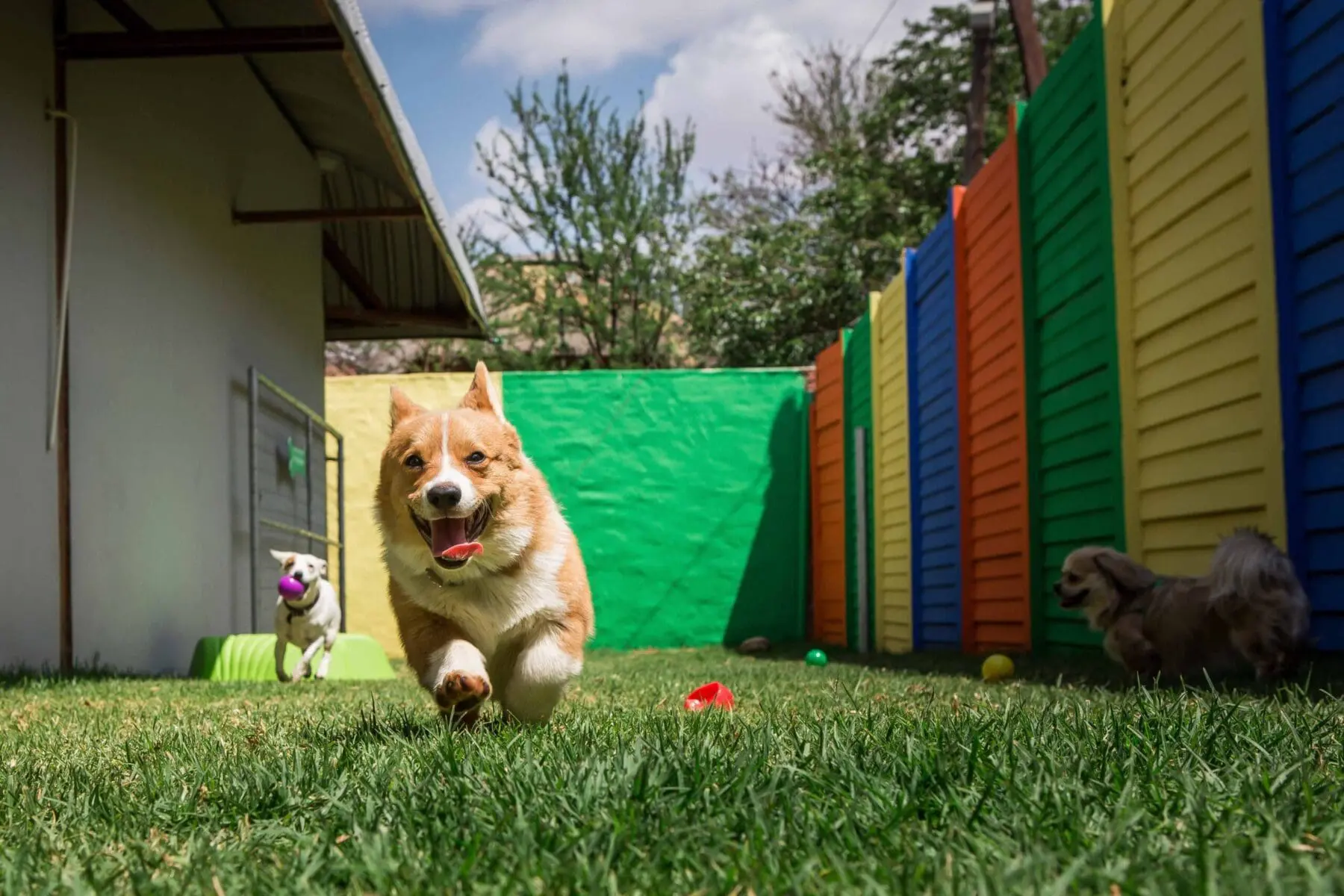
- Play fetch or active games. A secure yard or other appropriate space gives energetic dogs room to really stretch their legs and run. Fetch, tug, and similar games also allow you to bond with your dog.
- Add swimming. Water exercise offers another form of movement for dogs that need gentler activities or enjoy swimming. Olde Towne Pet Resort offers swimming pools for pet parents looking to add supervised water activity to their pup’s routine.
- Hit a dog-friendly trail. Hiking introduces new sights, smells, and terrain while keeping you and your dog moving. Keep in mind that many parks require pets to be leashed.
- Consider daycare on busy days. A packed workday often doesn’t leave enough time for an energetic dog’s routine. Daycare provides a professional option when your pup needs additional activity and engagement during the day.
How to Mentally Stimulate a Dog — Tools and Techniques That Work
Mental stimulation matters just as much as finding appropriate physical activities for your pup. Mental enrichment gives dogs opportunities to think, solve problems, use their senses, and practice skills. Here are some easy ways to keep your pup’s brain working:
- Use puzzle feeders and food-dispensing toys: These turn meals or treats into an activity that requires your dog to work for the reward. Choose products appropriate for your dog’s size and chewing habits.
- Create scent games. Hide treats or favorite toys around your home and encourage your dog to find them. Nose work lets your dog use their powerful sense of smell and turns a simple indoor activity into an engaging challenge.
- Practice training. Short training sessions reinforce useful skills while requiring focus and problem-solving. If you want more structured guidance, professional dog training provides another way to keep your dog engaged while developing positive behaviors.
- Rotate interactive toys. Instead of leaving every toy available all the time, rotate a few into your dog’s routine. For strong chewers, choose appropriately sized, durable dog toys and supervise play when needed.
- Introduce new experiences. Take a different walking route, visit a dog-friendly location, or practice familiar skills in a new environment. Even small changes give your dog new sights, smells, and experiences to process.
Physical and mental activities also work well together. A walk with time for sniffing, a play session followed by training, or supervised socializing gives your dog multiple forms of enrichment and helps tucker them out.
Common Mistakes Dog Owners Make With Active Dogs
Keeping an energetic dog busy doesn’t mean simply adding more intense exercise. A balanced routine accounts for your dog’s physical abilities, mental needs, and safety.
When creating your pup’s enrichment routine, avoid:
- Relying only on physical exercise: Walks and play matter, but active dogs also benefit from training, scent activities, and other forms of mental enrichment.
- Doing too much too soon: Puppies and dogs starting a new exercise routine need age- and health-appropriate activities. Ask your veterinarian before introducing strenuous running or other demanding exercise.
- Using the wrong toys: Match toys to your dog’s size and chewing style. Damaged toys or pieces small enough to swallow may present safety risks.
- Ignoring individual needs: Breed traits provide useful context, but they don’t tell you everything about your dog. Age, health, personality, and conditioning all matter.
- Forgetting about recovery: More exercise isn’t always better. Build appropriate rest into the routine and use lower-impact mental activities if your dog needs a less physically demanding day.
Advanced Tips for Active Dog Owners — Nutrition, Gear, and Professional Support
Once you establish a consistent activity routine, consider other factors that support your dog’s lifestyle.
Nutrition is one example. Searching for the best active dog food or best dog foods for active dogs may produce plenty of options, but there isn’t a single food that suits every energetic dog. Your dog’s age, body condition, activity level, and overall health should guide feeding decisions. Ask your veterinarian about the appropriate diet and portions rather than increasing food simply because your dog exercises frequently.
The right gear also makes activities easier to manage. Depending on your routine, useful equipment might include a hands-free leash for running or a long line for appropriate training exercises. Choose gear based on your dog, environment, and intended use rather than buying equipment simply because it is marketed toward active breeds.
Professional support also has a place in your dog’s routine. Work, travel, and other responsibilities sometimes make it difficult to provide consistent engagement every day. Daycare gives your dog another option for activity and socialization during busy weekdays.
Book Your Pup’s Next Daycare Stay
At Olde Towne Pet Resort, we offer dog daycare, boarding, training, swimming, and enrichment options designed to support different needs and routines. With the right mix of physical activity, mental stimulation, rest, and professional care, you can build a routine that keeps your dog happy without repeating the same activity every day.
Get in touch with our team today to book your pup’s next visit!
